2024 - 2025
What to Learn: An AI-driven Learning & Development Experience
As a co-lead designer, I was responsible for crafting the next-gen vision of our platform.
Why this matters
Our learning and development platform provides learning items to help employees grow their career while maintaining their compliance training. We're running into some issues:
User retention
Employees who wanted guidance on the best training for their career goals didn’t perceive enterprise learning as a good use of their time.
Companies struggling with outdated skill taxonomies
Without clear organizational alignment between skills and roles, managers struggle to effectively guide their teams in adapting to the future of work.
Critical market shifts
A key competitor delivered the final push. After acquiring a popular consumer-facing experience platform, they changed the marketplace dynamics. We needed to be competitive, and fast.
Utilizing AI to bridge gaps and pave a path, our vision will shape how Oracle can guide employees to efficiently and repeatably achieve career development goals.
Utilizing UXR to drive stakeholder alignment
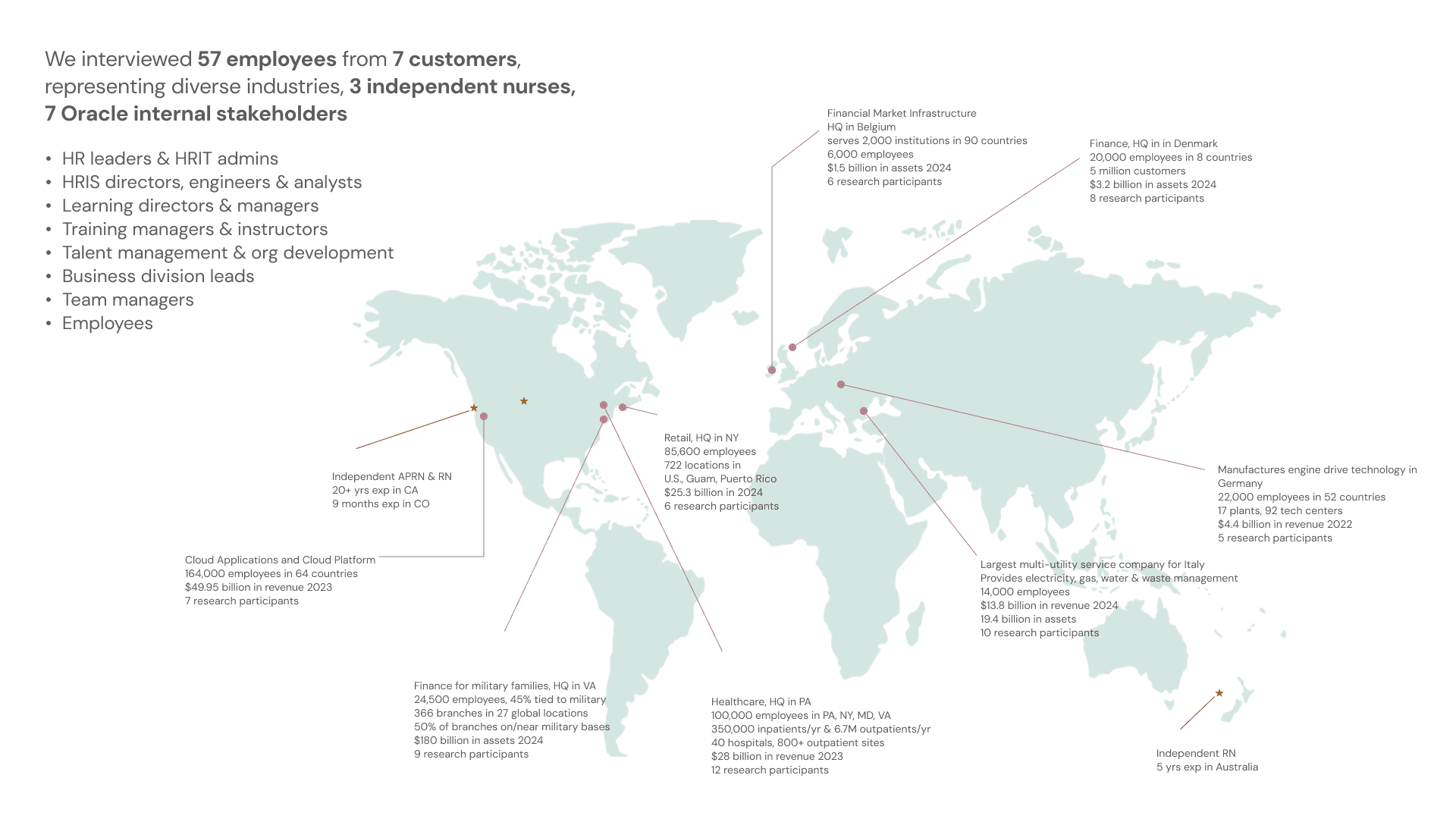
With our UXR team, I synthesized findings into our key personas, critical user journeys, and tenets that determined the trajectory of our design.
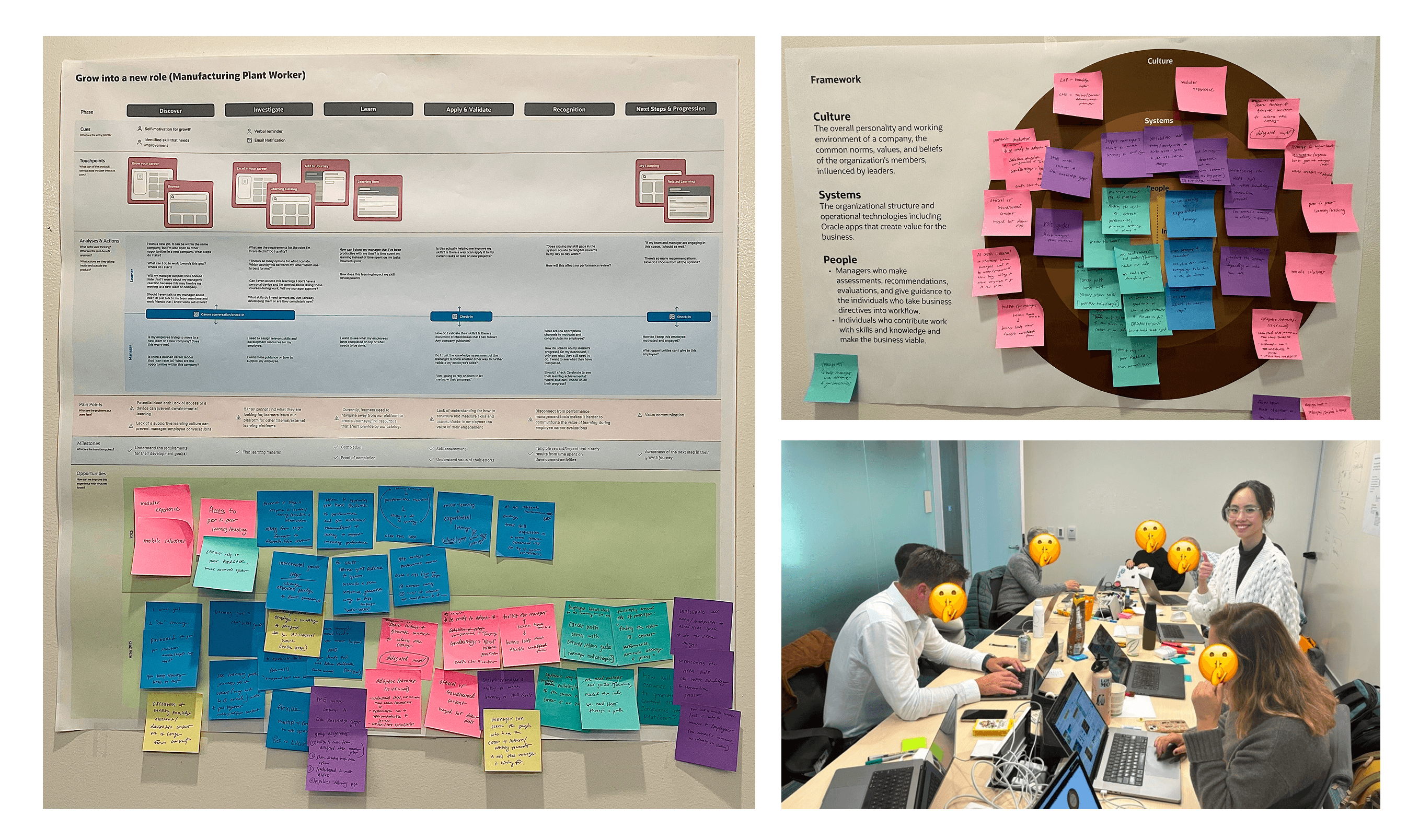
I co-facilitated a workshop to align the PM and product strategy teams by defining key product features for 2025 within our next-gen vision timeline.
Designing for behavior change
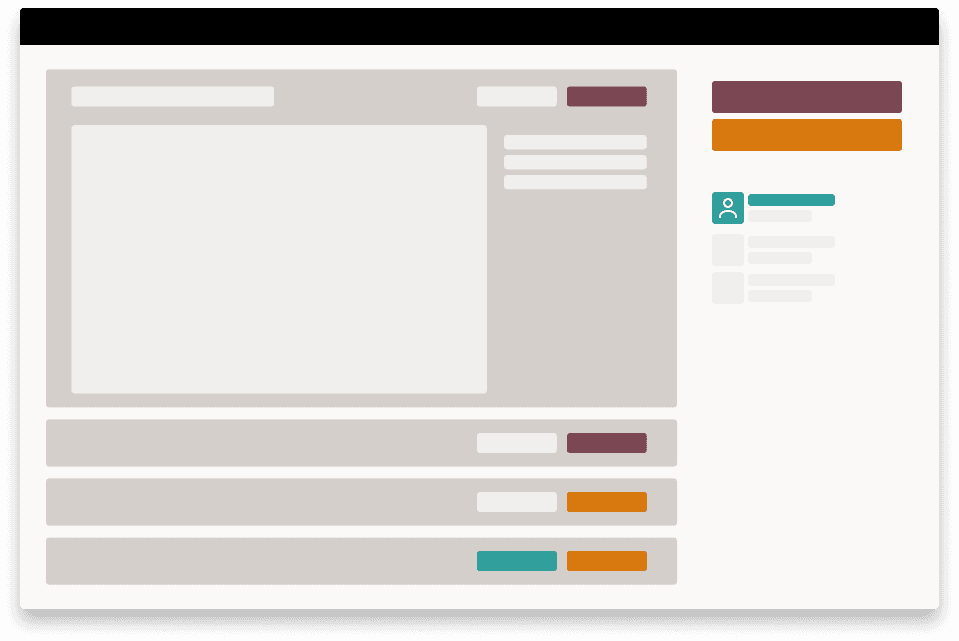
I created the central interaction model. This IxD framework was approved by the Design SVP and now serves as a framework for similar use cases.
Bias for action
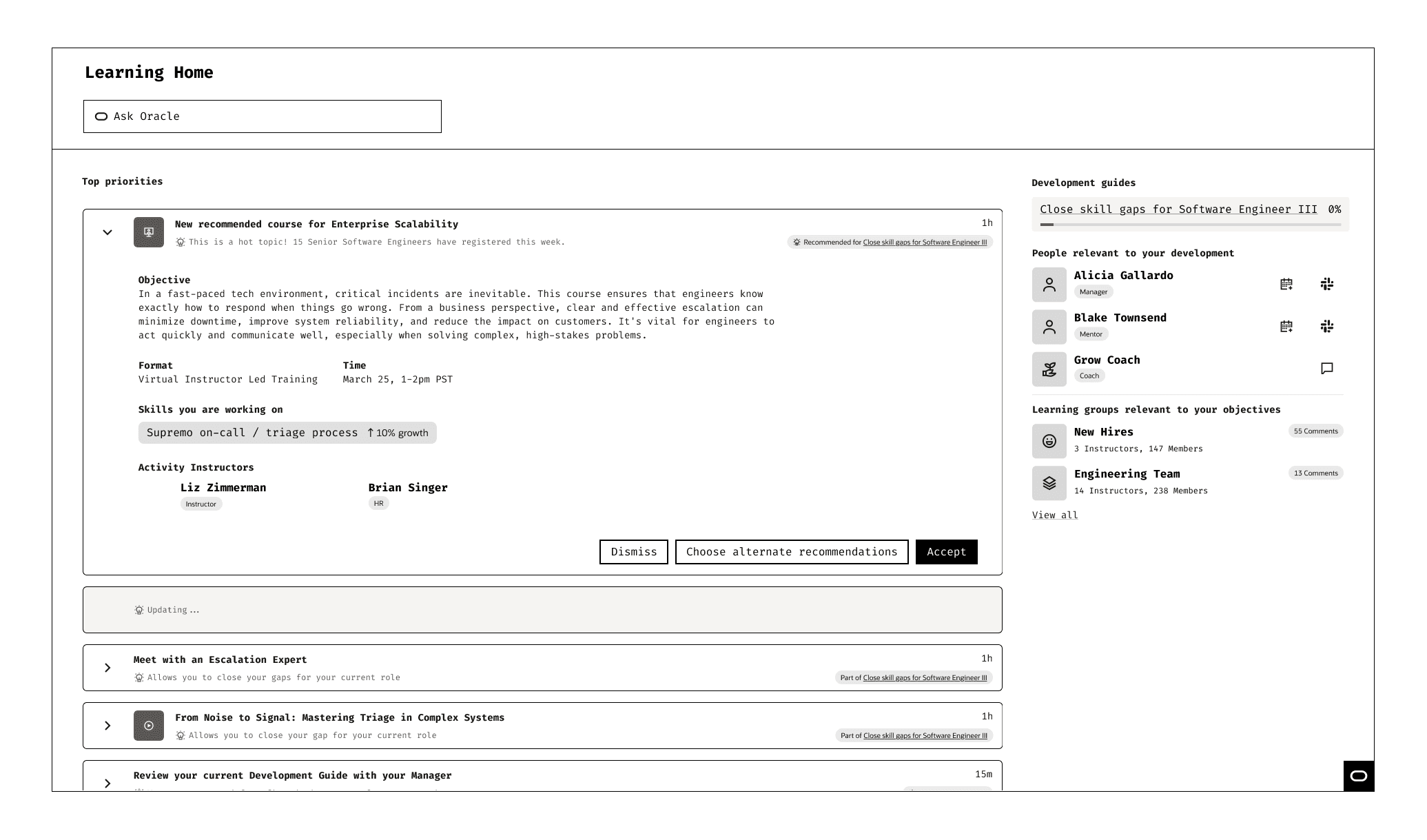
The landing page serves to focus user attention on the most important thing to do.
We're selective about what can be here, and rely on other pages in the application to cover major browse and selection experiences.

Clear value communication
To build trust, our interface highlights what initiatives these tasks contribute to and summarizes why each task is important.
When learners see a course or task, they can see immediately who assigned it and what it contributes to.
Adaptive learning
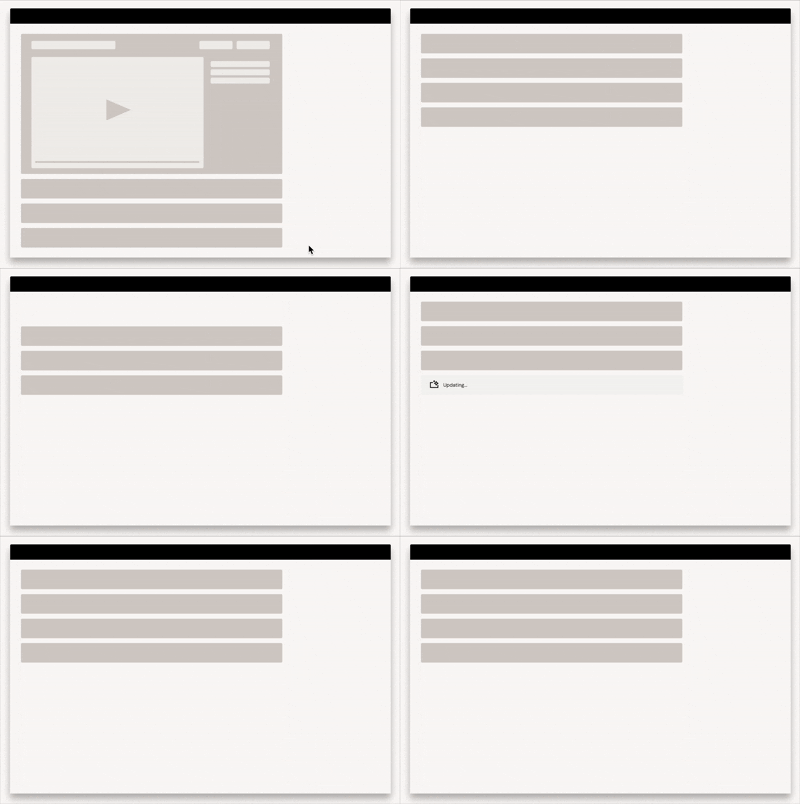
When learning is completed or skills are updated, the system automatically updates and reprioritizes in real time to always present next steps.
Securing Product EVP buy-in early
In a pitch with the Product EVP, I presented our Lo-Fi conceptual scenarios to receive the buy-in needed to secure project approval.
Iterating with customers to make them feel heard
I led two design thinking workshops to determine the top visual flows for concept testing and product demos. The high-fidelity prototypes were then tested and pitched in the following:
01
Product demos with key US and EMEA clients
I presented our demos to our key US client. I combined the results of that session and the PM-led EMEA client demos to distill our explorations to 2 main concepts.
02
Internal & client concept testing
Out of our 10 concept tests sessions, I ran 2 sessions to understand how we needed to evolve the wrap-up deliverable. We received resoundingly positive feedback on improvements in visual and interactive design.
Next steps